



The best keywords for an administrative assistant resume are the tasks, tools, and responsibilities named in the job posting that you have actually handled. Common examples include calendar management, travel coordination, correspondence, document management, data entry, Microsoft Office, record keeping, and meeting coordination. Put them in a short skills section, then show each one in a bullet that says what you handled, for whom, and what it made easier.
Administrative work looks simple from the outside, so many resumes sound identical. A clear, specific keyword set separates yours from the pile. This guide groups administrative keywords by the job they do, shows how to write bullets with proof, and then covers three situations: executive support, administrative roles inside manufacturing and operations teams, and entry-level or career-change applicants. If your office supports a plant or warehouse, our guide to keywords for operations covers the production-side vocabulary.
Which Keywords Belong on an Administrative Assistant Resume?
Start with the posting. Mark every task, tool, and duty that appears more than once, then cross out anything you haven’t done. What remains is your shortlist. Because recruiters often search their hiring software by typing terms, match the posting’s wording when it truthfully describes your work.
Most administrative keywords fall into five families.
Time and people. Calendar management, appointment scheduling, meeting coordination, travel arrangements, event planning, and visitor reception show that you keep other people’s days running. Name the tools too, such as Outlook or Google Calendar.
Communication. Correspondence, email management, phone support, minutes taking, proofreading, and drafting reports signal that your writing and listening are reliable. Likewise, “confidentiality” matters when you handle sensitive information.
Documents and records. Document management, filing systems, data entry, records maintenance, database updates, and report preparation prove you keep information organized and findable.
Office tools. Microsoft Word, Excel, PowerPoint, Outlook, Google Workspace, Teams, Zoom, SharePoint, and any ticketing or CRM software you’ve used. Specific names beat “computer skills.”
Business support. Invoice processing, purchase orders, expense reports, office supply ordering, vendor coordination, and payroll or accounts payable support show that you handle money and suppliers carefully. For related terms, see our guide to procurement resume keywords.
Soft skills belong here as well, but they work best with proof. “Organized” says little, while “kept a [number]-person team’s travel, meetings, and deadlines on one shared calendar” shows it. Choose ten to fifteen accurate terms rather than forty vague ones.
How to Turn Administrative Keywords Into Bullets That Prove Results
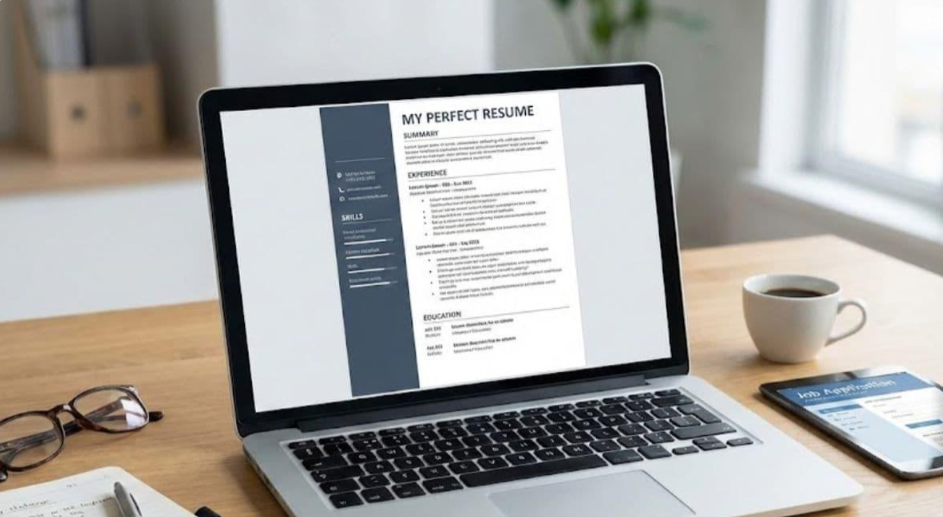
A keyword names a duty. A bullet shows how well you did it. Spread terms across a short summary with your title and strongest skills, a skills section grouped by type, and experience bullets that carry the evidence.
Compare these two lines:
Vague: “Responsible for scheduling and filing.”
Specific: “Managed calendars for [number] managers, booked travel and meeting rooms, and moved the department’s filing from paper to a shared digital folder.”
The second names who you supported, what you handled, and what changed. Use real numbers only. If you can’t measure an outcome, describe scope, such as team size, weekly volume of calls or invoices, or the number of offices you supported.
Here are patterns you can adapt:
- “Processed [number] vendor invoices a week in the accounting system and flagged mismatches before payment.”
- “Organized quarterly meetings for [number] attendees, including agendas, room setup, and follow-up notes.”
- “Created a shared tracker for supply orders, which stopped duplicate purchases.”
Several habits quietly hurt administrative resumes:
- Duty lists with no outcomes. “Answered phones” fits anyone.
- Soft-skill piles. Words like “detail-oriented” need an example to count.
- Vague software claims. “Proficient in Microsoft Office” says less than naming how you used Excel.
- Typos. Errors are costly in a role built on accuracy, so proofread twice.
- One resume for all postings. A medical office and a factory office use different terms.
Tailoring matters just as much as wording. A law office may stress confidentiality, document formatting, and deadlines, whereas a school office may stress records, parent communication, and scheduling. Before you send an application, reread the posting and move the two or three most relevant keywords to the top of your skills section and summary. As a result, a reader sees the match within seconds, and you haven’t added a single claim you can’t support.
Executive Assistant and Senior Administrative Keywords
Senior roles add judgment to organization. Useful terms include executive support, calendar management for executives, travel and expense management, board or meeting preparation, confidential document handling, stakeholder communication, project coordination, and office management. Show the level you supported, such as a director or a leadership team.
Credentials can help at this level, though they never replace experience. The International Association of Administrative Professionals (IAAP) issues the Certified Administrative Professional (CAP) credential. Only list it if you hold it, and write “in progress” if you haven’t passed. A strong bullet might read, “Prepared board meeting materials for [number] directors and tracked action items until completion.”
Administrative Assistant Keywords for Manufacturing, Warehouse and Operations Offices

Administrative staff in plants, warehouses, and logistics teams handle paperwork that keeps production moving. Therefore, add terms like production scheduling support, purchase orders, supplier communication, inventory records, shipping and receiving documents, ERP data entry, safety documentation, compliance records, and timekeeping.
The strongest bullets connect your office work to the floor. For example: “Entered receiving records in the ERP system daily, helping the warehouse team match deliveries to purchase orders.” If your office supports distribution, our guides to warehouse resume keywords and the logistics coordinator resume show how the same work is described on the operations side. For wider vocabulary across the industry, browse supply chain resume keywords.
Name the systems you used, such as an ERP, inventory software, or a ticketing tool, and mention safety or quality paperwork when you handled it. Those details tell a hiring manager you already understand the pace of an operations environment.
Entry-Level and Career-Change Administrative Keywords
You can build a solid resume without an administrative title. Reception work, school offices, volunteer coordination, retail back-office tasks, and customer service all involve scheduling, records, and communication. Translate that work into administrative language: “scheduled volunteer shifts,” “maintained attendance records,” “answered member emails.”
Keep the summary short and honest, and name every tool you’ve used, even basic ones. For instance, “Managed sign-up sheets and reminders for a club of [number] members using Google Sheets and email” shows real skill without claiming a job you haven’t held. For neutral background on typical duties and entry requirements, the U.S. Bureau of Labor Statistics keeps a profile of secretaries and administrative assistants.
FAQs
How many keywords should an administrative assistant resume have?
Ten to fifteen accurate terms in the skills section is a practical range. Support the strongest with bullets, and drop any you couldn’t discuss in an interview.
Should I include Microsoft Office as a keyword?
Yes, but be specific. Name Excel, Outlook, or Word and say what you did with them, such as tracking invoices or managing a shared calendar.
Are soft skills worth listing on an administrative resume?
Yes, when tied to an example. “Handled confidential payroll files” proves discretion better than the word “trustworthy.”
What keywords work for someone with no administrative experience?
Terms like scheduling, record keeping, correspondence, data entry, and customer assistance work well. Draw them from school, volunteering, or other jobs, and describe what you actually did.
Do I need a certification to get an administrative job?
Not automatically. Requirements vary by employer, so check each posting and treat a credential such as the CAP as a supplement to experience.
