


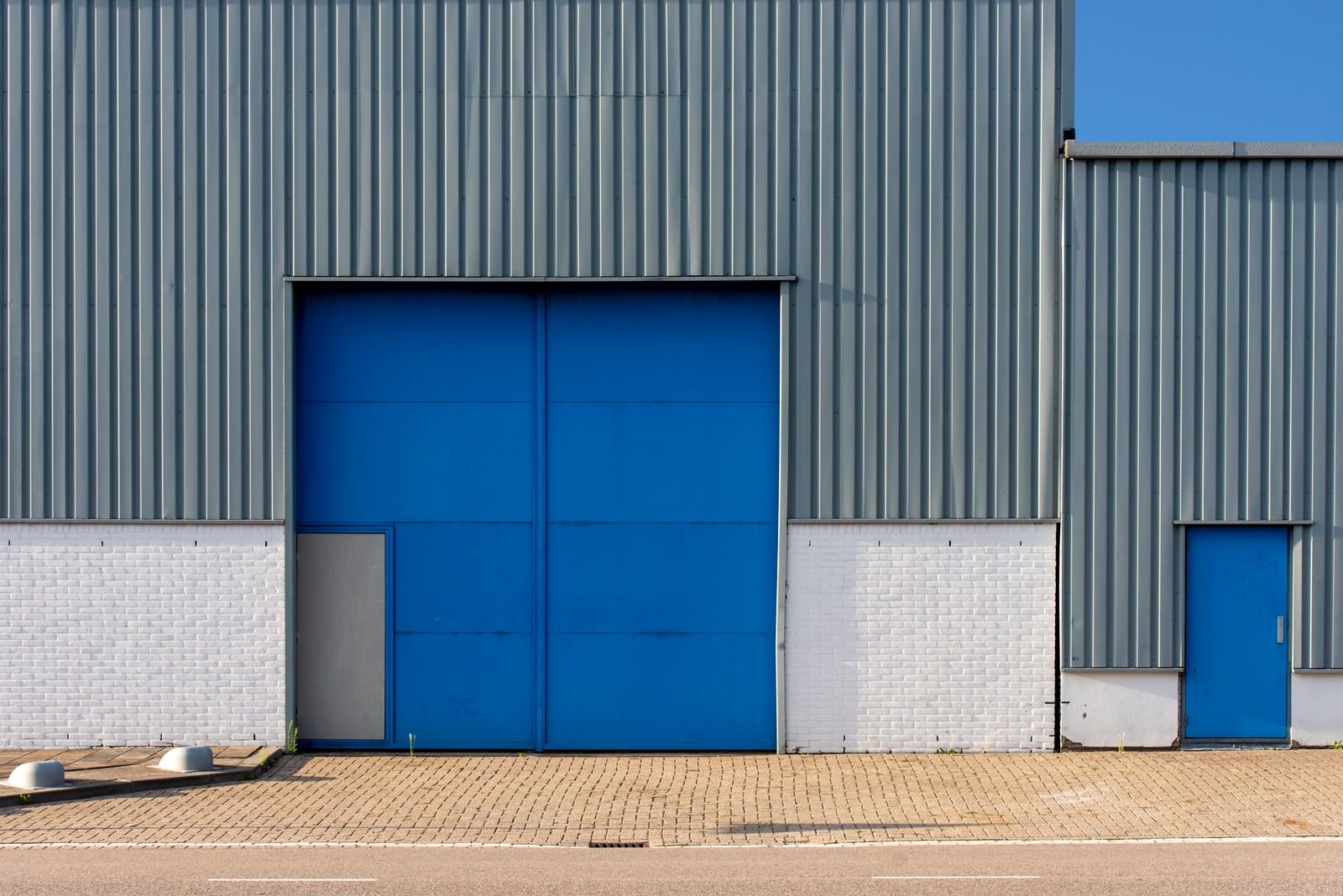
Finding the right warehouse for sale can transform how your business runs. A good building cuts drive time for trucks. It also keeps stock safe, dry, and easy to reach. However, a poor building drains cash every month. This guide shows you each step in plain terms. First, you will learn where listings live. Next, you will learn how to judge a building. Finally, you will learn how to buy with confidence.
What Counts as a Warehouse for Sale?
Sellers offer many building types under one label. So, check what each listing really includes. Some buildings hold stock for one business. Others serve many tenants in separate units. In addition, some sites mix storage with office or workshop space. Your daily work should decide which type fits.
- Distribution warehouse: Trucks bring goods in and send goods out fast.
- Fulfillment center: Staff pick, pack, and ship customer orders daily.
- Cold storage warehouse: Fridges and freezers protect food and pharmaceuticals.
- Flex warehouse: Teams combine light production, storage, and office tasks.
- Small warehouse unit: Owners buy one unit inside a larger park.
Search tools also show related phrases. For example, you may see small, industrial, or logistics warehouse listings. Treat each phrase as a filter, not a promise. Then, open the listing and verify the facts yourself.
Where to Find a Warehouse for Sale
Start your search in more than one place. Each channel shows different stock. Also, some sellers list a building on one channel only. So, a wide search gives you better choice and price context.
- LoopNet: This large marketplace lists warehouses across the United States.
- CREXi: This exchange lists commercial property and runs online auctions.
- CommercialSearch: This site lists commercial space by city and size.
- Local brokers: Brokers often hear about quiet sales early.
- Auctions and bank sales: These sales can move fast and need care.
A specialist broker can also open doors for you. For example, the Society of Industrial and Office Realtors (SIOR) represents industrial and office brokerage specialists. Its member directory helps you find a local expert. Then, ask that expert about off-market leads. Good brokers share new leads with serious buyers first.
Also, search “warehouse for sale near me” with your city name. Then, save your filters and set listing alerts.
Start With Your Operation, Not the Listing
A shiny listing can hide a poor fit. So, write your needs before you tour any site. First, list your stock types and pallet counts. Next, map how goods enter, move, and leave. Our guide to the order fulfillment process shows that flow step by step. In addition, note your busiest weeks, not just normal weeks.
Then, think about growth over five years. A tight building can block growth very fast. However, a huge building can waste money on empty space. So, test each warehouse for sale against your plan. Also, check whether the layout supports cross docking if your goods move quickly.
How to Evaluate a Warehouse for Sale
Tour each building with a checklist in hand. Take photos, notes, and measurements at every visit. Then, compare buildings on the same facts. This method keeps price from hiding real flaws.
Clear Height, Columns, and Layout
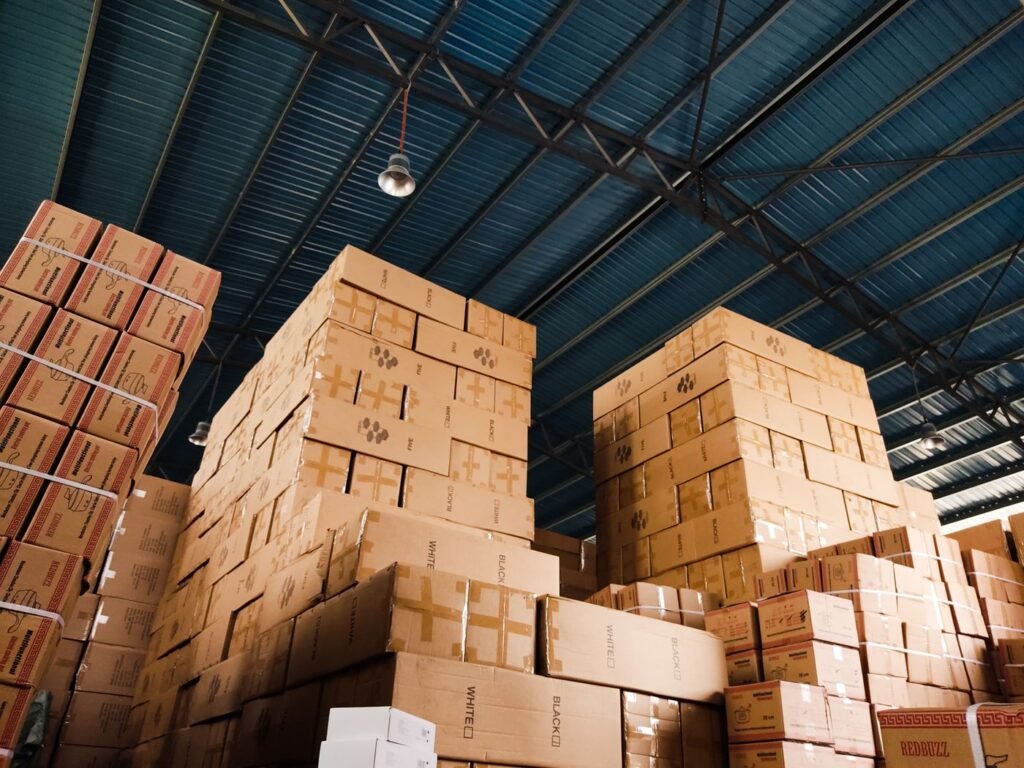
Clear height tells you how high you can stack. Measure from the floor to the lowest beam. Taller space often holds more stock per square foot. Next, check column spacing across the floor. Wide spacing gives racking and forklifts more room. Narrow spacing can break your rack layout. Also, walk the floor and look for odd corners. Square, open floors usually work best for storage.
Docks, Doors, and the Truck Court
Count the dock doors and drive-in doors. Then, match the count to your daily truck flow. A busy site needs enough doors at peak hours. Next, study the truck court outside each dock. Trucks need deep courts to turn and park safely. Shallow courts slow drivers and raise accident risk. Also, check trailer parking, car parking, and gate access. Finally, visit at a busy hour and watch traffic move.
Floor, Power, and Fire Protection
A strong floor carries heavy racks and machines. So, ask for the floor load rating in writing. Thick, level floors suit most storage work. Then, check the power supply and panel size. Cold storage, charging, and machines all draw heavy power. Next, study the sprinkler system with care. Many modern sites use ESFR sprinklers for high storage. However, older systems may limit rack height. Ask a fire expert to confirm what the system allows.
Location and Zoning Checks
Location shapes your transport cost every day. So, place each site on your delivery map. Short routes to customers cut fuel and time. Next, check highway access for trucks. Also, check any truck bans on local roads. Then, think about staff travel and local labor supply. A remote site can struggle to hire good staff.
Zoning matters just as much as location. The zoning code controls what work a site allows. So, confirm that storage, trucking, or production fits the zone. Also, ask about outdoor storage and overnight truck parking. Some zones ban both activities. Finally, check flood maps, access rights, and shared driveways. A local land-use lawyer can confirm the rules in writing.
What a Warehouse Really Costs
The asking price forms only one part of cost. First, buyers compare price per square foot in the area. Multiply the building size by that local rate. That sum gives you a quick value check. However, two buildings at one rate can differ greatly. Age, height, docks, and land size all move value.
Then, add the costs around the purchase. Closing costs cover legal work, title checks, and lender fees. Fit-out costs cover racking, lighting, offices, and safety gear. Moving costs and permit fees also add up. After purchase, you will pay tax, insurance, repairs, and utilities. So, build a full budget before you make an offer. A cheap warehouse for sale can cost more over time.
Financing a Warehouse Purchase
Most buyers fund a purchase with a loan. Lenders study the buyer, the business, and the building. So, prepare your accounts and tax records early. Then, talk to lenders before you sign a deal.
- Commercial bank loan: Banks lend against the building and business income.
- SBA 7(a) and 504 loans: These programs can help eligible owner-users buy space.
- Seller financing: The seller lets the buyer pay over time.
- Investor partner: A partner funds part of the deal for a share.
Each route sets its own terms and checks. Rates, fees, and loan length vary by lender. So, compare total cost, not just the rate. Also, ask what deposit the lender expects from you. Finally, get a pre-approval letter before you negotiate. Sellers take buyers with proof of funds seriously.
Due Diligence Checklist
Due diligence protects you after you agree a price. Use this checklist during your inspection period. Then, close only after each item checks out.
- Title search and ownership records
- Building survey and boundary plans
- Zoning letter and permit history
- Roof, structure, and floor inspections
- Electrical, plumbing, and HVAC reports
- Sprinkler and fire safety records
- Environmental reports for soil and tanks
- Tax bills and insurance history
- Utility capacity and recent bills
- Access rights and shared area rules
- Existing leases or tenant agreements
- Repair quotes for any known faults
Share each report with your lawyer and lender. Then, price any faults into your final offer. Walk away if a seller blocks key checks.
How to Negotiate and Close
Start talks with a letter of intent. This letter sets price, timing, and key terms. It also sets your inspection period and deposit terms. Next, both sides sign a purchase agreement. Your lawyer should review each clause with care. Then, lenders, inspectors, and title teams do their work. Finally, both sides sign closing papers and transfer funds.
Negotiate beyond the headline price as well. For example, ask the seller to fix roof faults. Or, ask for a price cut for old systems. Also, you can ask for a longer inspection period. Small terms can save you real money later. In short, trade terms calmly and keep each promise in writing.
Common Mistakes Buyers Make
Smart buyers learn from errors that others made. Watch for these traps when you chase a warehouse for sale.
- They skip the zoning check and face use bans later.
- They trust listing sizes and skip their own measurements.
- They forget fit-out and moving costs in the budget.
- They ignore clear height and dock counts at peak times.
- They rush due diligence under pressure from the seller.
- They sign papers without a lawyer or lender review.
Each mistake shares one root cause. Buyers rush a large, long-term choice. So, slow down, verify facts, and use experts.
Buy, Build, or Lease?
Some buyers ask whether building beats buying. A new build gives you a custom layout and modern systems. However, land search, permits, and building work take time. Delays can also push the final cost upward. An existing warehouse for sale offers speed instead. You can tour it, test it, and move in sooner.
Leasing suits firms with short or uncertain plans. Buying suits firms that need control for many years. Ownership lets you adapt the site to your work. It also stops rent talks and sudden moves. Still, ownership ties up cash in one asset. So, use supply chain forecasting to test your space needs first.
Your Next Step
Pick three live listings this week. Score each one with the checks above. Then, tour your best match with a broker. A careful process turns a warehouse for sale into a strong base.
Frequently Asked Questions
These answers cover the questions buyers ask most often.
How much will it cost to buy a warehouse?
Total cost depends on size, area, age, and condition. First, take the purchase price as your base. Then, add closing, fit-out, moving, and repair costs. You also need cash for your deposit upfront. Lenders set that deposit after they review your case. So, ask two lenders for written cost estimates early. That step gives you a real budget range.
How much does a 10,000 square foot warehouse cost?
Price per square foot drives this answer. Multiply 10,000 by the local rate for similar buildings. Prime areas carry higher rates than rural areas. Height, docks, land, and condition also shift the rate. So, compare recent local sales, not national adverts. A local broker can share recent sale evidence with you.
Is owning a warehouse profitable?
Ownership can pay off for the right business. Owners avoid rent rises and forced moves. They also control layout, hours, and site upgrades. Over time, the building may gain value as well. However, owners carry repair, tax, and insurance costs. Profit depends on use, cost control, and local demand. Busy, well-used space usually beats idle space.
Is it cheaper to build or buy a warehouse?
Buying often costs less upfront than building new. You skip land work, design fees, and long build delays. However, an old building may need costly repairs. A new build may run more efficiently for years. So, compare total cost over ten years, not day one. Include energy, repairs, and lost time in that sum.
Is it worth buying a warehouse?
Buying suits a firm with stable, long-term needs. It gives control, fixed roots, and a lasting asset. Leasing suits a firm that may move or shrink soon. So, weigh your growth plans and cash position first. Also, test how fully you will use the space. A well-used building earns its keep far faster.
Can you buy a warehouse and live in it?
Most warehouse zones ban homes and overnight living. Zoning codes separate industrial work from housing for safety. Some areas allow mixed-use projects with special permits. So, check the local code before you plan any conversion. Never rely on a verbal promise from a seller here. Get the planning office answer in writing instead.
