


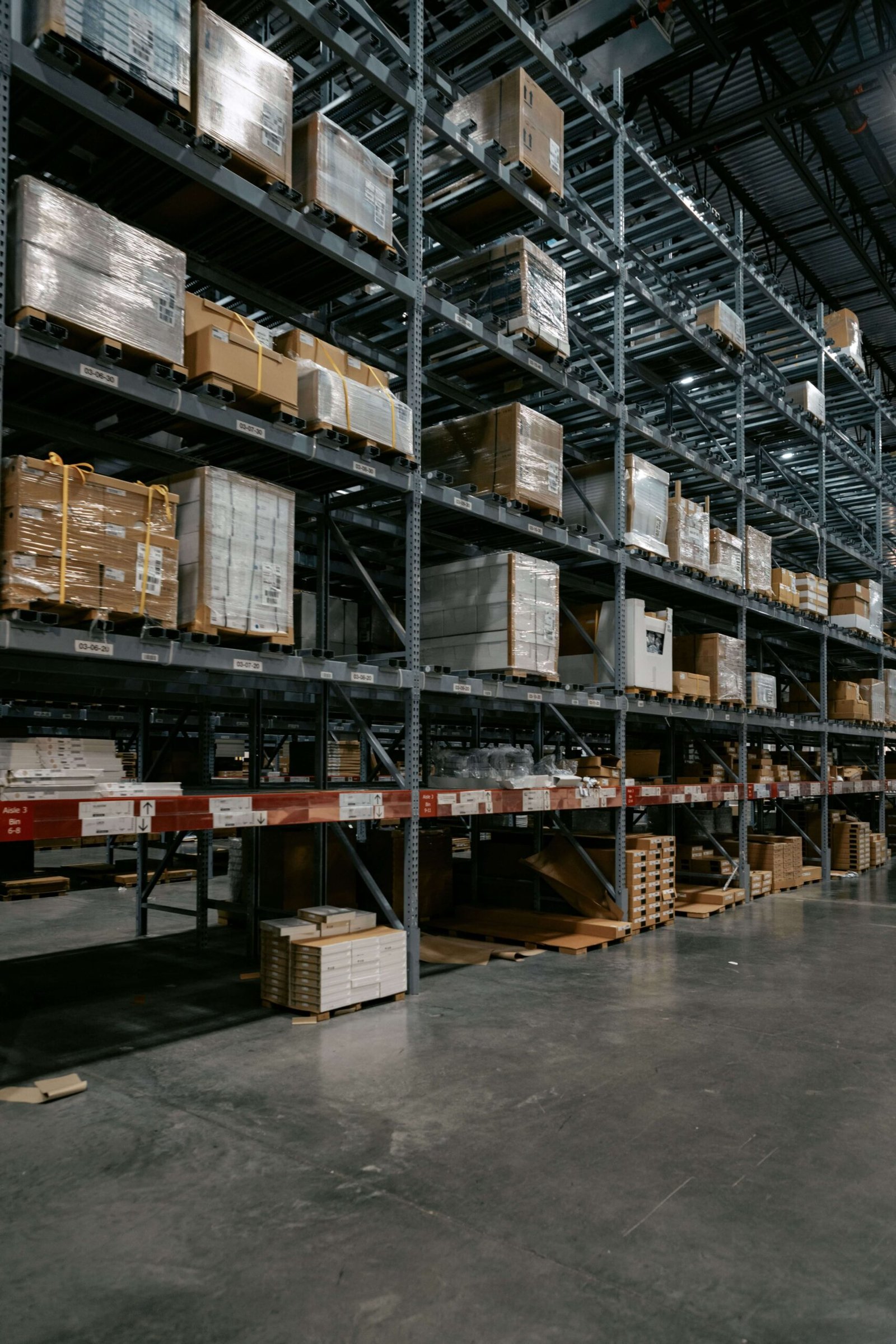
A 3PL, short for third-party logistics provider, is a company you pay to handle some or all of your warehousing, order fulfillment, and shipping instead of doing it yourself. Instead of leasing a warehouse and hiring pickers and packers, you send inventory to the 3PL. They store it, pack your orders, and ship them out under your brand. The confusing part isn’t the definition. It’s that “3PL” covers several genuinely different business models. Picking the wrong type for your situation is the most common mistake businesses make.
The Three Types of 3PL You’re Actually Choosing Between
Most explanations treat 3PLs as one category, but there are three distinct models. Each one solves a different problem.
An ecommerce fulfillment 3PL focuses on pick, pack, and ship for online orders. They integrate with your store (Shopify, WooCommerce, Amazon) and handle individual customer orders as they come in. This is what most small and mid-sized online sellers mean when they say “3PL.”
An asset-based freight 3PL owns physical infrastructure, trucks, warehouses, or both. It moves larger shipments, often full or partial truckloads, rather than single customer orders. If you’ve read about the difference between carriers and freight forwarders, an asset-based 3PL sits closer to the carrier side. That’s because it actually operates the equipment.
A non-asset-based 3PL doesn’t own trucks or warehouses. Instead, it manages logistics through a network of partners, essentially coordinating other companies’ assets on your behalf. This model can offer more flexibility across regions, but it adds a layer between you and whoever is physically handling your freight.
Knowing which type you’re evaluating matters. Comparing an ecommerce fulfillment 3PL’s pricing to an asset-based freight 3PL’s pricing means comparing two different services that happen to share a name.
How Working With a 3PL Actually Works
Once you choose a provider, inventory gets shipped to their warehouse. This is where the first real friction usually shows up. Onboarding typically takes several weeks, not days, because it involves mapping every SKU into their warehouse management system. It also means setting up integrations with your sales channels and physically receiving and shelving your inventory correctly. Businesses that rush this step, sending inventory before integration is confirmed, are the ones most likely to hit stockouts or mis-shipped orders in the first month.
Once live, orders from your store flow into the 3PL’s system automatically if the integration is API-based. Some smaller or older 3PLs still rely on manual CSV uploads instead. When that happens, someone on your team ends up doing manual data entry, which is where order errors creep in. This is worth asking about directly before signing anything, because the sales conversation rarely volunteers it.
Pricing structures vary more than most first-time buyers expect. Some 3PLs charge per pick and pack plus storage by the cubic foot or pallet. Others negotiate a flatter monthly rate based on expected volume. The number that catches people off guard isn’t usually the base rate. Instead, it’s the extra fees stacked on top: storage overage charges when inventory sits longer than expected, per-SKU fees once you exceed a certain product count, and returns processing fees that only show up on the first invoice.
Where Businesses Go Wrong Choosing a 3PL
The most common mistake is choosing based on the lowest quoted rate without checking inventory accuracy track record. A 3PL that’s 10% cheaper but has sloppy SKU-level tracking will cost you more in overselling and manual reconciliation than the savings are worth. Ask specifically how they handle inventory counts and how often they actually report discrepancies, not just what the per-order fee is.
A related mistake is underestimating minimum order volume requirements. Some 3PLs, particularly the ones that target mid-size and larger sellers, either reject smaller accounts outright or place them on a pricing tier that makes the arrangement barely worth it. If your order volume is low and inconsistent, disclose that upfront rather than finding out after onboarding is already underway.
The third common error is treating the 3PL relationship as fully hands-off after go-live. Even with a good provider, inventory forecasting still needs to happen on your end. A 3PL fulfills what you send them, but it generally doesn’t forecast your future demand for you. A stockout caused by poor demand planning on your side isn’t something switching 3PLs will fix.
When a 3PL Isn’t the Right Move
Very low, sporadic order volume is the clearest case where a 3PL doesn’t make sense. If you’re shipping a handful of orders a week, the fixed and per-order costs of a 3PL relationship often exceed what you’d spend fulfilling in-house. You’ll likely run into minimum volume friction anyway.
Fragile, highly specialized, or heavily customized products are another exception. Products that require specific handling knowledge, custom kitting with frequent variation, or careful quality inspection per unit sometimes fit better with an in-house team. A specialized kitting and fulfillment provider can also be a better fit than a general-purpose 3PL built around standard pick-and-pack volume.
If you need tight, real-time control over exactly how customer-facing packaging looks and feels for every order, that level of control can get harder to maintain at arm’s length. Even with a good 3PL, there’s now a third party executing the final touchpoint with your customer.
3PL vs. the Alternatives
| Model | Who Owns the Assets | Best Fit |
|---|---|---|
| 3PL (ecommerce fulfillment) | The 3PL owns the warehouse; you own inventory | Online sellers needing pick, pack, ship at scale |
| 3PL (asset-based freight) | The 3PL owns trucks and/or warehouses | Larger, less frequent shipments (truckload, LTL) |
| 4PL | Typically none; 4PL manages multiple 3PLs/carriers | Larger businesses needing centralized logistics strategy across several providers |
| In-house fulfillment | You own or lease everything | Low, steady volume or products needing hands-on handling |
Frequently Asked Questions
What’s the difference between a 3PL and a 4PL? A 3PL executes logistics directly: warehousing, picking, packing, shipping. A 4PL typically doesn’t own warehouses or trucks itself. Instead, it coordinates and manages multiple 3PLs and carriers on a client’s behalf, acting as a strategic layer above execution.
How much does a 3PL typically cost? It depends heavily on the model and your volume. Fees usually combine receiving, storage, and per-order pick-and-pack charges, plus potential add-ons like kitting or returns processing. There’s no single standard rate, so getting an itemized quote based on your actual SKU count and order volume matters more than comparing headline numbers.
How long does it take to switch to a 3PL? Plan for several weeks at minimum for onboarding: shipping inventory, SKU mapping, and integration testing. Businesses that go live before fully testing integration are the ones most likely to see order errors in the first few weeks.
Can a small business realistically use a 3PL? Yes, but minimum order volume requirements vary by provider. Some 3PLs target smaller sellers specifically, while others don’t. Ask directly about minimums before assuming a provider fits your current volume.
Does using a 3PL mean giving up control over shipping speed? Not necessarily. Many 3PLs offer expedited or time-critical shipping options alongside standard service. Availability and cost still depend on the specific provider and carrier relationships they maintain.

1 Comment
Pingback: What Is a Box Truck? Sizes, CDL Rules Explained