


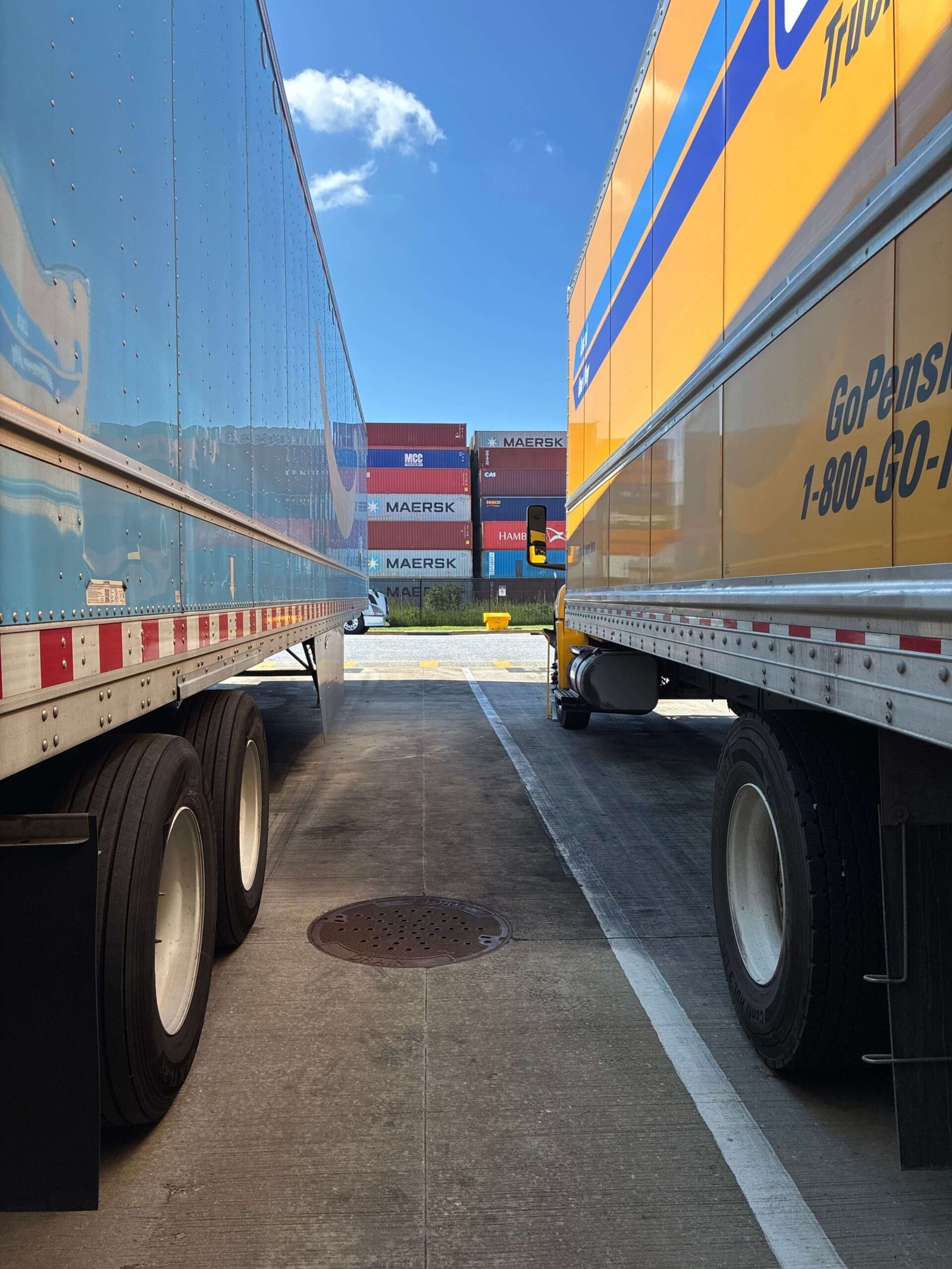
Starting a logistics company means more than buying a van and a spreadsheet. You need to decide what kind of logistics business you’re building first. Freight brokerage, a trucking fleet, and warehousing each have completely different licensing, capital, and operational requirements. In the UK, that decision also determines whether you need an Operator’s Licence before you move a single pallet.
Decide What Kind of Logistics Company You’re Building
The phrase “logistics company” covers several very different businesses. Picking the wrong starting point wastes time and money.
A freight broker connects shippers with carriers and never owns a truck. Startup costs stay low because you’re selling coordination, not equipment. You still need contracts, broker liability insurance, and relationships with reliable carriers before anyone trusts you with their freight.
A carrier owns and operates the vehicles. This is where UK regulation bites hardest. Running goods vehicles for hire or reward triggers Operator’s Licence rules that a pure broker never has to deal with.
A 3PL (third-party logistics provider) combines warehousing, fulfillment, and transport under one roof, usually for e-commerce or retail clients. This is the most capital-intensive option to start. You need warehouse space and inventory systems before you can take on a single client contract.
Most people starting out choose brokerage or a small carrier operation. 3PL-level infrastructure needs funding most startups don’t have on day one.
The UK Operator’s Licence: What Actually Triggers It
If you plan to run goods vehicles over 3.5 tonnes gross weight — for hire or reward, or for your own business’s goods — you need an Operator’s Licence from the Traffic Commissioner. This isn’t optional. Operating without one is a criminal offence, not a paperwork technicality.
There are two main licence types. A standard licence lets you carry goods for other people. It requires you to meet “good repute,” financial standing, and professional competence tests. A restricted licence only covers your own company’s goods and has a lower bar, since you’re not offering haulage as a service.
Since 2022, vans between 2.5 and 3.5 tonnes doing international journeys also need a light goods vehicle operator’s licence. This rule catches out smaller operators who assumed 3.5 tonnes was a hard floor.
Financial standing means proving you have enough capital to run and maintain your fleet safely. A standard licence currently needs £8,000 for the first heavy goods vehicle and £4,500 for each additional one. A restricted licence needs £3,100 for the first vehicle and £1,700 for each additional one. These figures shift periodically with currency and inflation adjustments. Check gov.uk before you apply rather than relying on any number you read elsewhere, including this one.
You’ll also need an approved operating centre — a specific site where vehicles park overnight. For a standard licence, you’ll need a Transport Manager holding a Certificate of Professional Competence (CPC) too, either yourself or someone you employ or contract.
Setting Up the Business Itself
Registering the company comes first, usually as a limited company through Companies House. This also limits your personal liability if something goes wrong with a shipment or a claim. Sole trader status works for very small operations, but most serious logistics businesses incorporate early. Clients and insurers take a limited company more seriously.
Insurance is non-negotiable and more complex than standard business cover. You’ll need goods-in-transit insurance to cover freight while it’s moving, public liability for accidents involving third parties, and employer’s liability if you have staff. Carriers also need motor fleet insurance for the vehicles themselves. Brokers need contingent cargo insurance too, even though they never physically handle the goods, because liability can still attach to whoever arranged the shipment.
VAT registration becomes mandatory once your taxable turnover crosses the current threshold. That threshold has moved in recent years, so confirm it directly with HMRC rather than assuming last year’s figure still applies.
Where New Logistics Companies Actually Struggle
Underpricing to win early contracts. Fuel, insurance, and vehicle maintenance costs are fixed and unforgiving. A new operator who prices a route below true cost survives the first few months on cash reserves, then can’t sustain it once those reserves run out. Price against your real cost per mile, not against a competitor’s rate — you don’t know their cost structure or how long they’ll last at that price.
Underestimating how long carrier relationships take to build. If you’re brokering freight, carriers won’t hand you their best trucks and drivers on day one. Trust builds through repeated, reliable transactions. New brokers sometimes overpromise capacity to land a client, then can’t source a truck when it’s needed, which damages the relationship faster than it was built.
Treating compliance as a one-time task. An Operator’s Licence isn’t “get it and forget it.” Traffic Commissioners can call operators to a public inquiry if maintenance records slip, if drivers’ hours rules get breached repeatedly, or if financial standing isn’t maintained continuously. Losing a licence after you’ve built a client base hurts far more than the extra admin of staying compliant.
Skipping technology because it feels like overhead. A basic transport management system, or even a well-built spreadsheet, pays for itself quickly once you’re running more than a handful of jobs a week. Without it, you’ll spend more time chasing your own paperwork than growing the business. Getting demand forecasting right from the start matters more than new operators expect. Overcommitting capacity based on guesswork is a common way small logistics companies get squeezed in their first year.
Where the Standard Advice Doesn’t Apply
If you’re starting purely as a freight broker with no vehicles of your own, most Operator’s Licence requirements simply don’t apply to you. That’s one real advantage of the brokerage model for a low-capital start. Your main regulatory concern becomes contract law and broker liability, not vehicle licensing.
If you’re planning international freight from the outset, customs compliance and cross-border documentation add real complexity. Getting this wrong doesn’t just cost money. It can mean seized goods or fines that a small operator may not survive financially.
Logistics Business Models Compared
| Model | Startup Cost | Operator’s Licence Needed? | Main Challenge |
|---|---|---|---|
| Freight Broker | Low | No (unless also running vehicles) | Building carrier trust and reliable capacity |
| Small Carrier (1-3 vehicles) | Medium-High | Yes — standard or restricted | Meeting financial standing and maintenance compliance |
| 3PL / Warehousing | High | Depends on transport component | Securing warehouse space and client contracts upfront |
For a broader look at how these roles fit together, see what a logistics company actually does day to day.
Frequently Asked Questions
Do I need an Operator’s Licence if I only use my own van for deliveries?
If the van and any trailer together weigh 3.5 tonnes or less, you generally don’t need an Operator’s Licence for domestic UK work. Between 2.5 and 3.5 tonnes doing international journeys, you likely do, following the 2022 rule change. Above 3.5 tonnes, you need either a standard or restricted licence depending on whether you’re carrying your own goods or other people’s.
How long does it take to get a UK Operator’s Licence?
Applications typically take several weeks to a few months. The process includes a public notice period where objections can get raised, which adds time. Apply well before you plan to start operating to avoid delays holding up your launch.
Can I start a logistics company with no industry experience?
You can, though it’s harder without it, particularly for a carrier operation where the Transport Manager role requires genuine professional competence, not just a certificate on paper. Many new operators start as a broker first, build industry relationships and knowledge, then expand into owning vehicles once they understand the operational side.
What’s the biggest cost most new logistics companies underestimate?
Vehicle maintenance and compliance costs tend to surprise new operators most. They’re ongoing and non-negotiable — a maintenance failure doesn’t just cost money to fix, it risks your Operator’s Licence if it happens repeatedly or isn’t documented properly.
