


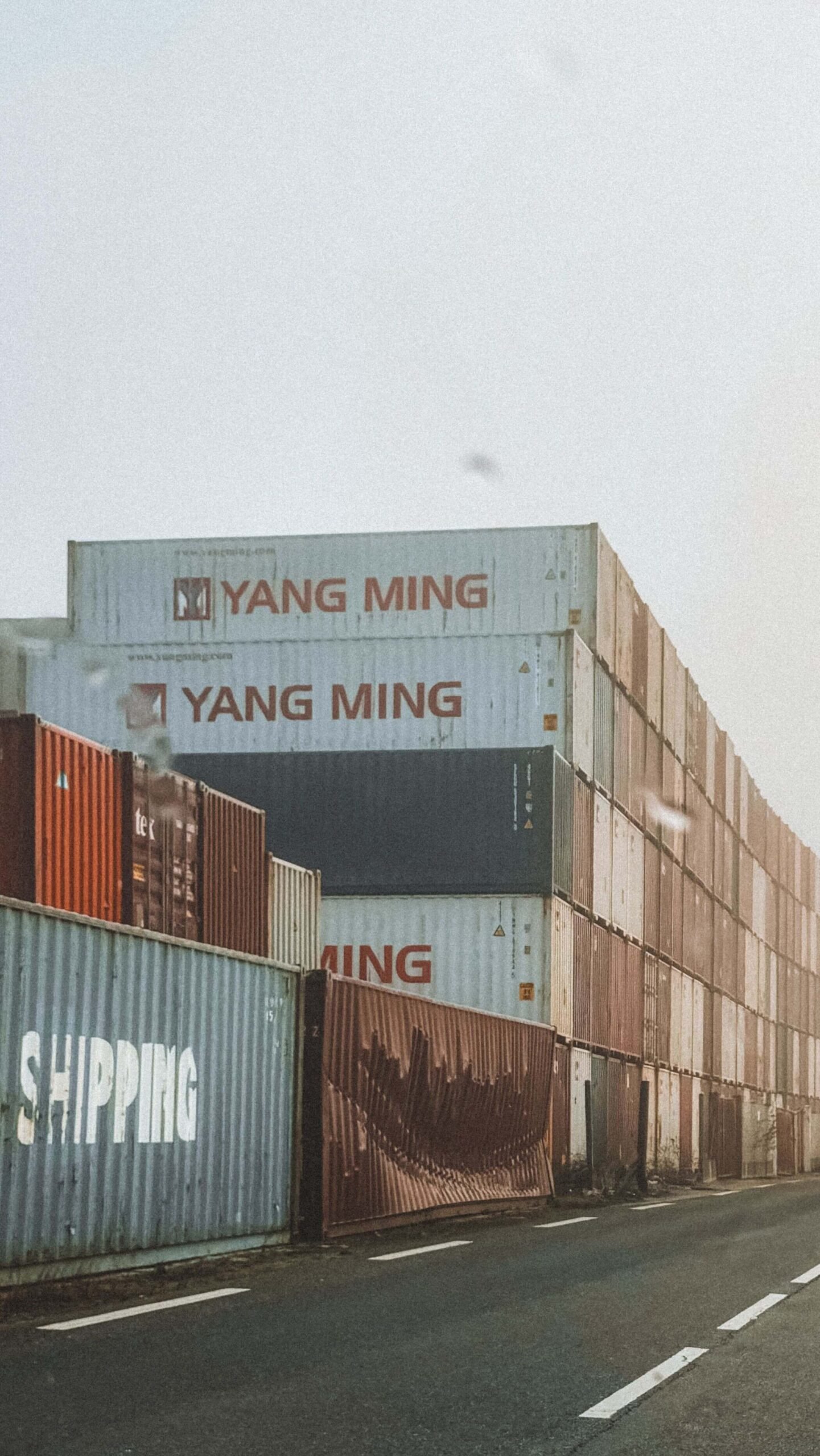
A logistics company plans, moves, and tracks goods on behalf of another business — everything from warehousing and inventory management to freight transport, customs paperwork, and last-mile delivery. Some logistics companies handle a single piece of that chain, like trucking. Others manage the whole thing end to end, which people usually mean when they ask what a logistics company actually does.
What a Logistics Company Actually Does
The core job is coordination, not just transportation. A logistics company moves your goods, but it also decides how those goods move — which carrier, which route, which warehouse, and in what sequence — so the product lands where it needs to be, on time, without you managing every step yourself.
Most logistics companies handle some combination of these functions:
- Warehousing and storage — holding inventory between production and sale, often across multiple locations to shorten delivery distances
- Transportation management — booking freight with carriers, choosing between truck, rail, air, or ocean based on cost and speed
- Inventory management — tracking stock levels in real time so a business doesn’t overstock or run out
- Order fulfillment — picking, packing, and shipping individual customer orders, which matters most for e-commerce clients
- Customs and compliance — handling documentation for goods crossing international borders
- Freight brokerage — matching shippers with available carrier capacity, sometimes without owning trucks at all
Not every logistics company offers all of these. A small regional trucking outfit and a full-service third-party logistics provider (3PL) both call themselves logistics companies, but they solve very different problems.
How Logistics Companies Differ From Each Other
The term “logistics company” covers a wide range of business models, and that range is exactly where most confusion comes from.
A freight broker doesn’t own trucks or warehouses. It connects a shipper who needs to move goods with a carrier who has available capacity, and it earns a fee for the match. If you need something moved once, a broker can be fast and cheap because you’re not paying for infrastructure you don’t need.
A carrier owns the actual trucks, ships, or planes. Carriers move freight directly, which usually means more control over timing but less flexibility if your shipping needs change suddenly.
A third-party logistics provider (3PL) manages multiple functions — warehousing, fulfillment, and transportation — usually under a longer-term contract. Businesses use 3PLs when they want to outsource logistics entirely rather than piece it together themselves.
A fourth-party logistics provider (4PL) sits a level above the 3PL. Instead of executing logistics tasks directly, a 4PL manages the entire supply chain strategy and often coordinates several 3PLs on a client’s behalf. Companies with complex, multi-region operations use 4PLs more often than small businesses do.
Why Businesses Use Logistics Companies Instead of Doing It Themselves
Building an in-house logistics operation means owning or leasing warehouse space, hiring staff to manage inventory, and negotiating freight rates directly with carriers — none of which is cheap at low volume. A logistics company spreads those fixed costs across many clients, so a smaller business gets access to warehouse networks and shipping rates it couldn’t negotiate alone.
Speed is the other real driver. A logistics company with existing warehouses near major population centers can often deliver faster than a business shipping from a single central location, because the goods are already closer to the customer before an order even comes in.
This matters even more for companies coordinating just-in-time production, where manufacturing depends on parts arriving at almost the exact moment they’re needed. A logistics partner with reliable timing becomes part of the production schedule itself, not just a shipping vendor.
Common Mistakes When Choosing a Logistics Company
Picking based on price alone. The cheapest quote often excludes fees that show up later — fuel surcharges, accessorial charges for liftgate service or inside delivery, or storage fees once inventory sits past a free period. Ask for a full breakdown before comparing quotes.
Ignoring the technology gap. Some logistics companies still rely on manual updates and phone calls for shipment status. Others offer real-time tracking integrated into your own systems. If visibility matters to your business, ask specifically what tracking tools are included, not just whether “tracking is available.”
Assuming bigger means better. A large national 3PL might not prioritize a small account the way a regional provider would. Smaller logistics companies sometimes offer more responsive service precisely because your business represents a bigger share of their attention.
Not checking capacity during peak seasons. A logistics company that performs well in a normal month can struggle during a demand spike if it hasn’t planned staffing and carrier capacity around seasonal patterns. This connects directly to how well the provider forecasts demand — a company that plans ahead for volume swings handles peak season far more reliably than one reacting to it as it happens.
Where the Standard Advice Breaks Down
Not every business needs a full-service logistics company. A business shipping a handful of large, predictable orders each month might get more value from a direct carrier relationship than from paying for a 3PL’s bundled services it doesn’t use.
International shipping changes the calculation, too. Customs complexity, duty calculations, and country-specific regulations make working with a logistics company that specializes in international freight worth the cost, even for businesses that handle domestic logistics themselves. Trying to manage cross-border compliance without that expertise creates real risk of delays, fines, or seized shipments.
Event-based logistics is another edge case. A company shipping trade show materials or temporary installations needs different expertise than standard freight — tighter timing, more fragile handling, and often on-site coordination that a specialized event logistics provider handles better than a general-purpose 3PL.
Logistics Company Types Compared
| Type | Best For | Main Difference | Example Use Case |
|---|---|---|---|
| Freight Broker | One-off or infrequent shipments | Connects shippers with carriers; owns no equipment | A small business shipping a single large order |
| Carrier | Predictable, recurring shipments | Owns and operates the trucks, ships, or planes directly | A manufacturer with a fixed weekly delivery route |
| 3PL | Businesses wanting to outsource logistics entirely | Manages warehousing, fulfillment, and transportation together | An e-commerce brand outsourcing order fulfillment |
| 4PL | Large, multi-region operations | Manages overall strategy, often coordinating several 3PLs | A company running supply chains across several countries |
Frequently Asked Questions
Is a logistics company the same as a shipping company?
Not exactly. A shipping company typically moves goods from one point to another, focused mainly on transportation. A logistics company often does more — warehousing, inventory management, and order fulfillment in addition to transportation — though the terms sometimes overlap in casual use.
How much does it cost to use a logistics company?
Costs vary too much by service type, volume, and distance to give a single figure. Freight brokerage might charge a flat fee or percentage of the shipment cost, while a 3PL contract often includes storage fees, per-order fulfillment fees, and shipping costs bundled together. Getting an itemized quote is the only reliable way to compare providers.
Can a small business benefit from working with a logistics company?
Yes, often more than a large business does. Small businesses usually can’t negotiate the shipping rates or access the warehouse networks that logistics companies already have, so outsourcing can lower costs even at low volume — the opposite of what many assume going in.
What’s the difference between logistics and supply chain management?
Logistics is one piece of supply chain management, not the whole thing. Supply chain management includes sourcing raw materials, manufacturing, and demand planning; logistics specifically covers the movement and storage of goods within that broader process. A look at the core parts of a supply chain makes the distinction clearer — logistics is one component among several, not a synonym for the entire system.
