


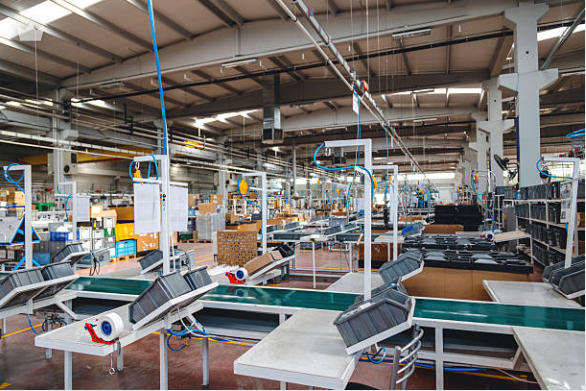
If you’re searching for the JIT meaning, here’s the short answer: JIT stands for Just-in-Time. It’s a way of running production so that materials show up close to when a company actually needs them, instead of sitting in a warehouse for weeks or months first.
That’s the simple version. The full JIT meaning takes a bit more explaining, because the term gets misunderstood a lot. Once you understand what it’s really doing, a lot of manufacturing decisions start making more sense.
Understanding the JIT Meaning in Manufacturing
Just-in-Time is an inventory and production strategy where a company brings in materials, builds products, or ships goods right around the time it needs them — not far ahead of time “just to be safe.”
Toyota is the company most associated with this idea, and understanding the JIT meaning really starts with Toyota’s own history. Toyota built JIT into the core of what’s now called the Toyota Production System, alongside a second concept called jidoka, which focuses on catching defects immediately rather than letting them pass down the line.
Toyota puts the JIT meaning bluntly: make only what’s needed, when it’s needed, in the amount needed. Nothing extra sits around “in case.”
Here’s where people get confused, though. The JIT meaning doesn’t equal zero inventory. A factory running pure JIT still keeps some parts on hand right at the production line — just enough to keep things moving without a pileup. The point isn’t emptiness. It’s avoiding stock a company won’t actually use anytime soon.
For a deeper technical breakdown, our guide on just-in-time (JIT) inventory management covers the operational side in more detail.
A Simple Way to Picture the JIT Meaning
Think about how you probably buy groceries. If you’re only cooking for the next few days, you don’t buy a two-month supply of chicken and vegetables you buy what you’ll actually cook with soon, then go back for more.
Now picture that same logic at a factory building thousands of units a week, with dozens of suppliers shipping different parts on different schedules. That’s the practical JIT meaning in action. The idea stays simple. Doing it well at that scale is the hard part.
How the JIT Meaning Works in Practice
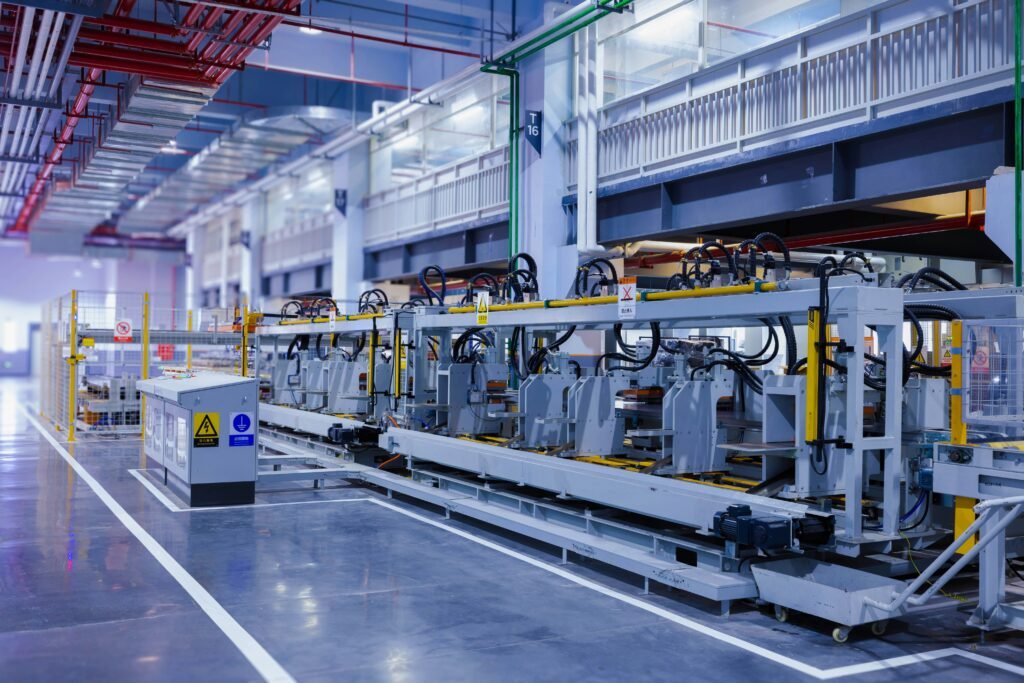
At a basic level, JIT flips the usual order of operations. A company produces based on what’s actually needed next, not based on how much capacity happens to be free.
A simplified flow looks like this:
Customer demand → what needs to be produced → what materials that requires → supplier delivers those materials → production happens → finished product goes out
People often call this a pull system. Each step only makes more once the step after it actually needs more, rather than pushing product through because the machines are free. Toyota relies on signals — commonly through Kanban — to tell earlier stages of production when to replenish something. If you want to understand this signaling system on its own, see our Kanban method guide.
This shift really changes what inventory is for. A traditional setup treats stock as a cushion, something to keep around in case something goes wrong. JIT treats stock as something that exists to support one specific, immediate need — nothing more.
Accurate scheduling also depends heavily on knowing what’s coming, which is where supply chain forecasting becomes critical to making JIT work reliably.
A Real Example: Building Desks
Say a furniture company makes 400 desks a week.
A traditional approach might order two or three months’ worth of wood, screws, and hardware upfront, then work through it slowly. Some of it sits in storage a long time before anyone touches it.
Under JIT, that same company coordinates with suppliers so materials arrive in smaller batches, timed closer to when they actually go into a desk. Less sits around. Less cash stays tied up. The company needs less warehouse space.
But here’s the catch: if a supplier ships a critical component two days late, there’s no big backup pile to fall back on. The warehouse can look perfectly tidy, and production still grinds to a halt. That trade-off — efficiency in exchange for less cushion — sums up the JIT meaning in one sentence.
Why Companies Actually Use JIT
It comes down to a handful of practical reasons:
Lower cost of holding inventory. Storing stuff isn’t free. Companies pay for warehouse space, insurance, labor to move things around, and the risk that goods get damaged or outdated before anyone uses them.
Less space needed. A business that isn’t stockpiling everything doesn’t need as much square footage to hold it all.
Less waste. Extra material sitting unused can go bad, get damaged, or become obsolete. JIT keeps things moving instead of letting them pile up.
Faster problem detection. A big inventory buffer hides problems. A company might not notice a supplier slipping on deadlines for weeks if it’s sitting on two months of stock. Lean inventory brings that kind of issue to the surface almost immediately.
What Has to Be True for the JIT Meaning to Actually Work
JIT sounds great on paper, but making it work depends on several things lining up:
| What’s Needed | Why It Matters |
|---|---|
| Reliable suppliers | With little buffer stock, a late delivery has nowhere to hide |
| Accurate production planning | Constantly shifting schedules make coordinating materials nearly impossible |
| Short, predictable lead times | A three-week part with low stock and today’s deadline is a gamble |
| Strong quality control | A defective part that shows up on time causes the same stoppage as one that never arrives |
| Clear communication across the chain | An unflagged delay can snowball into a much bigger problem downstream |
| Dependable transportation | Perfect timing on paper still fails if a truck misses its pickup |
Remove any one of those, and JIT gets a lot riskier to run. This is also why many businesses study every part of the supply chain before deciding how far to push lean inventory practices.
The Downsides Nobody Should Skip
The same lean setup that makes JIT efficient also makes it fragile.
- Supplier delays hit harder. No backup stock means a missed delivery turns into a production slowdown almost immediately.
- Transportation hiccups matter more. A shipment running a few hours late can stop a line when there’s barely any buffer.
- Demand spikes get harder to absorb. A sudden jump in unplanned or unconstrained demand leaves no stockpile to lean on while the business catches up.
- It demands constant, active management. JIT isn’t something a company sets up once and walks away from.
Recent global supply chain disruptions made this obvious. Companies that had trimmed inventory to the bone got stuck when a single supplier or shipping route went down.
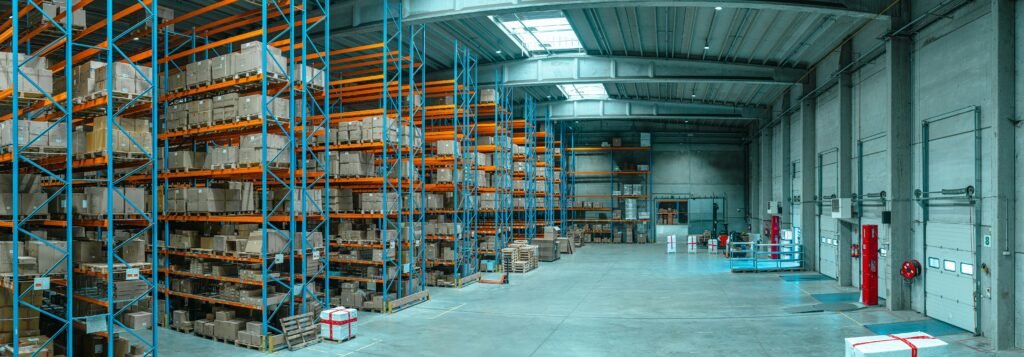
JIT Meaning vs. Traditional (Just-in-Case) Inventory
| JIT | Traditional / Just-in-Case | |
|---|---|---|
| Inventory level | Kept lean | Larger buffers held |
| When materials arrive | Close to actual need | Often well in advance |
| How it handles uncertainty | Relies on coordination | Relies on stockpiled cushion |
| Storage needs | Lower | Higher |
| Resilience to disruption | Lower | Higher |
| Dependence on suppliers and logistics | Very high | Lower |
Neither approach wins universally. A company with steady demand and dependable local suppliers can run lean and do fine. A company sourcing a critical part overseas with a six-week lead time might be taking on serious risk trying to run the same way.
Is the JIT Meaning the Same as Lean Manufacturing?
Close, but not quite. Lean manufacturing is the bigger umbrella — a whole philosophy about cutting waste and improving how work flows through a business. JIT sits as one major piece under that umbrella, focused specifically on timing production and material flow.
The Lean Enterprise Institute describes JIT and jidoka as the two pillars of the Toyota Production System, with lean drawing from both and adding a lot more besides.
JIT and Kanban Aren’t the Same Thing Either
This mix-up comes up constantly. JIT is the overall strategy — what to produce, and when. Kanban is one of the tools that makes that strategy actually run: a signal, whether a card, a bin, or a digital alert, telling an earlier step in the process that more is needed now.
Picture a bin of screws next to an assembly station. Once that bin runs low, a Kanban signal tells the supplier or the previous process to send more. The JIT meaning explains why that bin isn’t overflowing in the first place. Kanban keeps it stocked at the right level.
Frequently Asked Questions About the JIT Meaning
Does JIT mean a company keeps zero inventory?
No. Even under strict JIT, some stock stays right at the production line so work doesn’t stop while waiting on the next delivery. The strategy avoids unnecessary inventory — it doesn’t eliminate inventory entirely.
Is JIT only used by car manufacturers?
No, though it’s most famous there because of Toyota. Electronics, food production, and retail replenishment all use the same underlying principles — the exact setup just looks different depending on the industry.
What’s the difference between JIT and Kanban?
JIT is the broader strategy for coordinating production and materials. Kanban is a signaling method — one of the tools that makes a JIT system function.
Is JIT always the cheaper option?
Not necessarily. It can lower storage and carrying costs, but weak supplier reliability or unreliable transportation can turn small disruptions into costs that outweigh the savings.
Is the JIT meaning still relevant today, given recent supply chain problems?
Yes, but companies apply it more carefully now. Many businesses keep a small strategic buffer for critical or hard-to-replace components while still running JIT for everything else — often relying on tighter supply chain alerts to catch disruptions before they hit production.
The Bottom Line on JIT Meaning
The JIT meaning isn’t a trick for running a business with an empty warehouse. It’s a coordination strategy that times what a company produces and receives around actual need, instead of stockpiling based on guesswork or habit.
Done well, JIT frees up cash, cuts waste, and forces problems to the surface early enough to fix. Done without the right suppliers, planning, and communication behind it, small hiccups turn into full production stoppages fast.
The real skill isn’t keeping inventory as low as possible. It’s knowing exactly which materials need a buffer, and which ones don’t.

1 Comment
Pingback: What Is a Logistics Company? Full Guide (Informational)