

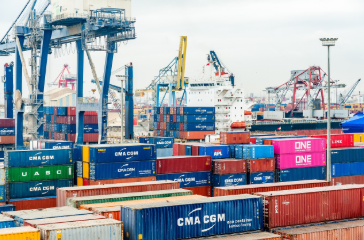
If you’re asking what does JIT mean, the most common business and manufacturing meaning is Just-in-Time. It describes a way of managing production and inventory so that materials, parts, or products are available when they are needed, in the amount needed, rather than being stored far in advance.
The basic idea sounds simple: don’t keep more inventory than necessary. Instead, coordinate purchasing, production, and delivery closely enough that resources arrive at the right time.
JIT became closely associated with the Toyota Production System, where it was developed as a way to reduce waste and improve the flow of production. The Lean Enterprise Institute describes JIT as making and delivering what is needed, when it is needed, and in the amount needed.
What Does JIT Stand For?
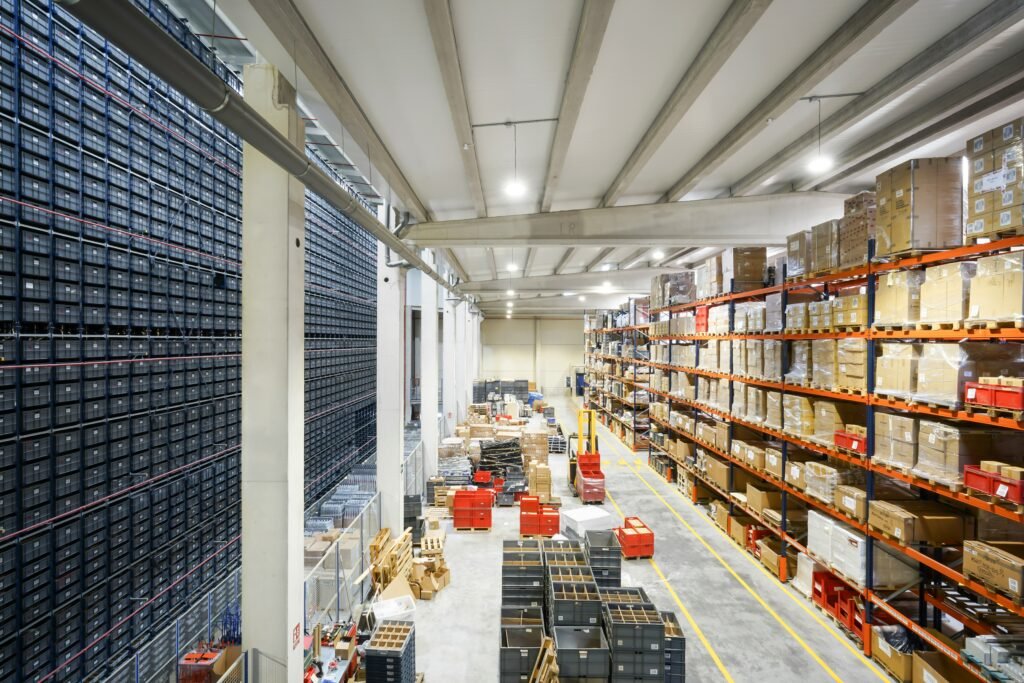
JIT stands for Just-in-Time.
In manufacturing, inventory management, logistics, and supply chain management, this approach is a strategy designed to keep inventory relatively low while making sure materials and products are available when production or customers require them.
For example, imagine a company making refrigerators. Instead of keeping several months’ worth of motors in a warehouse, the company may arrange for suppliers to deliver motors according to its production schedule.
The goal isn’t simply to have “less inventory.” The goal is to have the right inventory at the right time.
| JIT Concept | What It Means |
|---|---|
| Just-in-Time | Materials arrive when they are needed |
| Low inventory | The company avoids unnecessary stock |
| Demand-driven production | Production responds to actual requirements |
| Supplier coordination | Suppliers and manufacturers work closely together |
| Waste reduction | Excess inventory, waiting, and other waste are reduced |
| Continuous flow | Materials and work move efficiently through production |
How Does Just-in-Time Work?
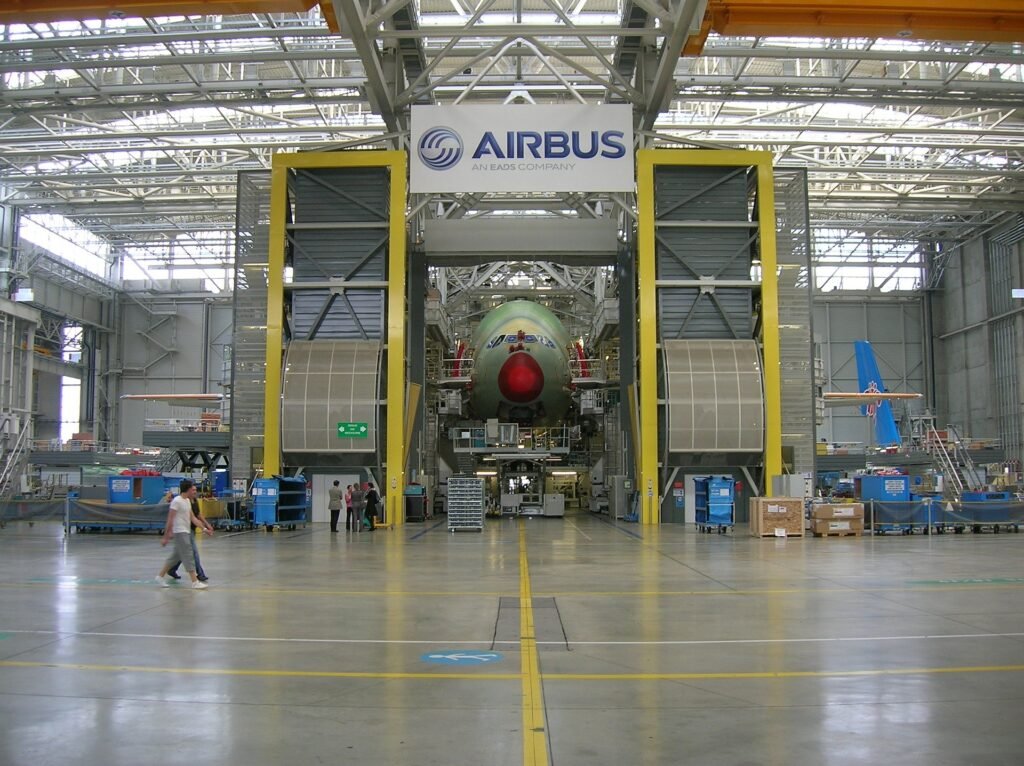
JIT works by connecting demand, purchasing, production, and delivery more closely.
A simplified process looks like this:
Customer demand → Production requirement → Material request → Supplier delivery → Production → Finished product
Rather than purchasing large quantities simply because they might be needed later, a business tries to synchronize its supply with its actual production requirements, often guided by supply chain forecasting.
Suppose a manufacturer needs 1,000 components next week.
Under a conventional approach, it might purchase several thousand components and store the extras.
With this system, the company may arrange for the required components to arrive close to the time they will enter production.
This reduces the amount of inventory sitting unused.
Toyota explains the principle behind its Just-in-Time system as having each required part available when it is needed, while avoiding excess. JIT became one of the two core concepts of the Toyota Production System.
A Simple Example of JIT
Imagine you own a small bakery.
You make fresh sandwiches every morning. If you buy enough bread, vegetables, and other ingredients for three months, you’ll need a lot of storage space. Some ingredients may also become unusable before you can use them.
Instead, you could arrange deliveries according to your expected production schedule.
You receive enough ingredients for the sandwiches you’re preparing, use them, and replenish the supply as needed.
That’s the basic thinking behind this approach.
A manufacturing operation is obviously more complicated than a bakery, but the underlying principle is similar: don’t accumulate resources simply because you might need them someday when you can reliably arrange to receive them when they’re actually required.
What Is JIT in Manufacturing?
In manufacturing, this system is a production approach that coordinates materials, components, and production activities so that resources arrive and move through the process close to the time they are required.
JIT is closely associated with lean manufacturing because both focus heavily on reducing waste and improving efficiency.
The Lean Enterprise Institute identifies the pull system, takt time, and continuous flow as important operating elements of JIT production.
For a manufacturer, this can mean:
- ordering materials according to production requirements
- reducing unnecessary raw-material inventory
- producing goods according to demand
- minimizing work-in-process inventory
- improving production flow
- coordinating deliveries with suppliers
- identifying problems instead of hiding them behind excessive inventory
This isn’t simply a warehouse technique. Done properly, it affects purchasing, production planning, supplier relationships, quality control, transportation, and inventory management — touching every one of the core parts of the supply chain.
What Is JIT Inventory Management?
JIT inventory management means keeping inventory levels relatively low and replenishing materials or products when they’re needed.
The traditional approach often relies on keeping extra inventory as a buffer against uncertainty.
This approach takes a different route: improve planning and coordination so that the business doesn’t need to rely as heavily on large inventory buffers.
For example:
Traditional approach: Buy → Store → Wait → Use
JIT approach: Demand → Order → Receive → Use
This can reduce storage requirements and inventory holding costs. However, it also means the company needs a dependable supply chain.
Current inventory-management guidance continues to emphasize that this method depends on supplier reliability, accurate information, coordination, and effective inventory control.
Why Do Companies Use JIT?
There are several reasons a company might adopt this strategy.
1. Lower Inventory Costs
Inventory isn’t free.
Businesses may have to pay for:
- warehouse space
- handling
- insurance
- security
- transportation
- inventory management
- spoilage or deterioration
Keeping less unnecessary inventory can reduce some of these costs.
2. Less Waste
Excess inventory can become obsolete, damaged, expired, or difficult to sell.
This approach attempts to reduce this type of waste by keeping inventory closer to actual requirements.
3. Better Use of Cash
When a company buys large quantities of inventory, some of its money is tied up in goods sitting in storage.
A leaner inventory system can leave more cash available for other business needs.
4. Less Storage Space
A company that doesn’t need large quantities of inventory may require less warehouse space.
That can be particularly useful when storage is expensive or limited.
5. Problems Become Easier to See
Large inventory buffers can sometimes hide problems.
For example, if a production process frequently experiences delays, a large stockpile of materials may prevent the problem from immediately affecting production.
With lower inventory, operational problems can become more visible, forcing the business to address their underlying causes — which is also why many teams rely on real-time supply chain alerts to catch issues early.
What Are the Disadvantages of JIT?
This system isn’t automatically better for every business.
Its biggest weakness is that there is less room for error when supply is interrupted.
If a manufacturer keeps very little inventory and a critical supplier suddenly misses a delivery, production may be affected.
Potential problems include:
- supplier delays
- transportation disruptions
- unexpected demand increases
- inaccurate forecasts
- quality problems from suppliers
- shortages of critical components
- natural disasters or other disruptions
- dependence on a small number of suppliers
UPS also notes that this approach increases a company’s dependence on its supply chain because a lack of necessary supplies can prevent production from continuing.
So this strategy involves a trade-off.
Less inventory can mean lower carrying costs, but it can also mean less protection against disruption.
JIT vs. Just-in-Case
One of the easiest ways to understand this concept is to compare it with Just-in-Case, sometimes called JIC.
| JIT | Just-in-Case |
|---|---|
| Keeps inventory relatively low | Keeps additional inventory as a buffer |
| Materials arrive when needed | Materials are stored in advance |
| Focuses on efficiency and flow | Focuses more on protection against shortages |
| Requires reliable suppliers | Provides more protection from supplier delays |
| Lower inventory carrying requirements | Higher inventory carrying requirements |
| More sensitive to disruptions | More inventory can absorb some disruptions |
Neither approach is universally correct.
A company dealing with highly predictable demand and reliable suppliers may be well suited to a lean model.
A company operating in an uncertain environment with long or unreliable supply routes may need more safety stock.
The right approach depends on the product, demand patterns, supplier reliability, lead times, and consequences of running out of stock. Businesses working with logistics companies often build this decision directly into their contracts.
What Is the Relationship Between JIT and Lean Manufacturing?
This approach and lean manufacturing are closely connected, but they’re not exactly the same thing.
Lean manufacturing is a broader approach to improving processes and reducing waste.
JIT is one important part of that broader philosophy.
It focuses heavily on timing, inventory, flow, and producing what is needed. Lean also considers other forms of waste, process improvement, quality, standardization, employee involvement, and continuous improvement.
In the Toyota Production System, this concept works alongside jidoka, another core idea concerned with building quality into the production process.
What Is Kanban in JIT?
You may also hear kanban when people discuss this system.
Kanban is a signaling method used to communicate that something needs to be produced, moved, or replenished. Our Kanban method guide breaks down exactly how this works.
For example, imagine a production workstation using boxes of a particular component. When the supply reaches a certain point, a signal tells the previous process or supplier that more components are required.
This supports a pull system, where work is triggered by actual requirements rather than simply pushing large quantities through the production process.
Toyota’s historical development of its production system included the use of kanban to reinforce its Just-in-Time production approach.
What Does JIT Mean in Supply Chain Management?
In supply chain management, this term means coordinating suppliers, transportation, inventory, production, and demand so that materials and products are available when required without maintaining unnecessarily large inventories.
This makes communication especially important.
A lean supply chain may depend on:
- accurate demand information
- dependable suppliers
- predictable lead times
- reliable transportation
- accurate inventory records
- good production planning
- fast communication
- effective quality control
For example, if a supplier normally delivers a component in two days but suddenly needs seven days, a manufacturer operating with very little safety stock could face a production interruption — the kind of delay teams often need to expedite a shipment to recover from.
That’s why this strategy requires much more than simply telling a supplier, “Send it when I need it.”
The entire system has to be coordinated.
Which Industries Use JIT?
This approach is strongly associated with manufacturing, particularly automotive manufacturing, but the underlying idea can be applied in many industries.
Examples include:
Automotive
Vehicle manufacturers may coordinate deliveries of components with production schedules.
Electronics
Manufacturers can use carefully timed component deliveries where products and technologies change quickly.
Retail
Retailers can use demand information and replenishment systems to avoid holding excessive stock.
Food
Businesses dealing with perishable products may benefit from receiving supplies closer to when they will be used.
Healthcare
Certain supplies and inventory categories can be managed according to actual usage and replenishment requirements, although critical medical supplies generally require appropriate safety stock.
The suitability of this system depends heavily on the product and the consequences of a shortage. Many companies now use AI in supply chain planning to make that call more accurately.
Is JIT the Same as Having Zero Inventory?
No.
This is one of the most common misunderstandings about this concept.
It does not necessarily mean having absolutely no inventory.
The objective is to avoid unnecessary inventory while keeping enough material available for the process to operate.
A company may still maintain some inventory, including safety stock, depending on its circumstances.
The real question isn’t:
“How can we have zero inventory?”
It’s:
“How much inventory do we actually need, and when do we need it?”
That distinction matters because eliminating every buffer can make an operation unnecessarily vulnerable.
What Does JIT Mean in Simple Terms?
If you want the simplest possible explanation:
It means getting or producing what you need, when you need it, and in the quantity you need, rather than keeping large amounts of inventory sitting around.
Think about ordering groceries for the week instead of buying enough food for an entire year.
You still have what you need, but you’re avoiding unnecessary storage and excess stock.
Manufacturing applies the same basic idea on a much larger and more carefully coordinated scale.
What Are the Main Requirements for a Successful JIT System?
This approach works best when several parts of the operation work together.
Reliable Suppliers
Suppliers need to deliver the correct materials on time.
Accurate Demand Information
If the business doesn’t understand demand, it can order too much or too little — this is where unconstrained demand data becomes especially useful.
Good Inventory Visibility
The company needs to know what it has, what is being used, and what is coming next.
Efficient Transportation
Late deliveries can create serious problems when inventory buffers are small.
Strong Quality Control
Receiving defective components at the last possible moment can disrupt production.
Good Communication
Purchasing, suppliers, production teams, warehouses, and logistics providers need accurate information.
Continuous Improvement
This system works best when companies continually identify and remove sources of delay, waste, and inconsistency.
What Happens When JIT Goes Wrong?
Consider a manufacturer that normally keeps only two days of a critical component.
A supplier experiences an unexpected transportation problem.
The delivery is delayed for five days.
The manufacturer runs out of the component before the replacement shipment arrives.
Production stops.
This illustrates both the strength and weakness of this strategy.
When the supply chain works well, the company doesn’t need to store excessive inventory.
When something goes wrong, however, there may be little inventory available to absorb the disruption.
That’s why businesses using this method need to understand their supply-chain risks rather than simply reducing inventory as much as possible.
Does JIT Always Reduce Costs?
Not necessarily.
This approach can reduce inventory-related expenses, but implementing and maintaining it can require better planning, technology, supplier coordination, transportation reliability, and process discipline.
A company could reduce its inventory and still make its overall operation worse if shortages, expedited shipping, production stoppages, or lost sales become frequent.
The goal should therefore be total operational efficiency, not simply the lowest possible inventory level.
Frequently Asked Questions About JIT
What does JIT stand for?
JIT stands for Just-in-Time. In manufacturing and supply chain management, it refers to producing, purchasing, or receiving materials and products close to when they are actually needed.
What does JIT mean in manufacturing?
In manufacturing, it means coordinating materials and production so that components are available when needed instead of maintaining unnecessarily large inventories.
What is the main goal of JIT?
The main goal is to improve efficiency by reducing unnecessary inventory and waste while ensuring that required materials and products are available at the appropriate time.
Who developed Just-in-Time?
The idea is closely associated with Kiichiro Toyoda and the development of the Toyota Production System. Toyota’s history describes Kiichiro Toyoda’s early concept and later development of the system through Toyota’s manufacturing operations.
Is JIT the same as lean manufacturing?
No. This approach is closely associated with lean manufacturing, but lean is a broader approach to improving processes and reducing waste. It focuses particularly on producing and delivering what is needed, when it is needed, and in the required quantity.
What is the biggest risk of JIT?
The biggest risk is supply-chain disruption. When inventory levels are low, a supplier delay, transportation problem, sudden demand increase, or quality issue can affect production more quickly.
Does JIT mean zero inventory?
No. The aim is to avoid unnecessary inventory, not necessarily eliminate every piece of inventory. Companies may still maintain inventory or safety stock where it makes operational sense.
Is JIT suitable for every business?
No. It works particularly well when demand, suppliers, transportation, and production processes can be managed reliably. Businesses facing highly unpredictable demand or frequent supply disruptions may need additional inventory buffers.
So, what does JIT mean?
In the context of manufacturing, inventory, and supply chains, it means Just-in-Time: getting the right materials or products when they’re needed and in the quantity needed, while avoiding unnecessary inventory.
The idea is simple, but making it work requires careful planning. Reliable suppliers, accurate information, efficient transportation, good quality control, and strong coordination all matter.
This system isn’t about having as little inventory as possible just for the sake of it. It’s about creating a smoother system in which inventory, production, and demand are closely connected.
That is why it remains an important concept in manufacturing, logistics, procurement, and supply chain management.
