


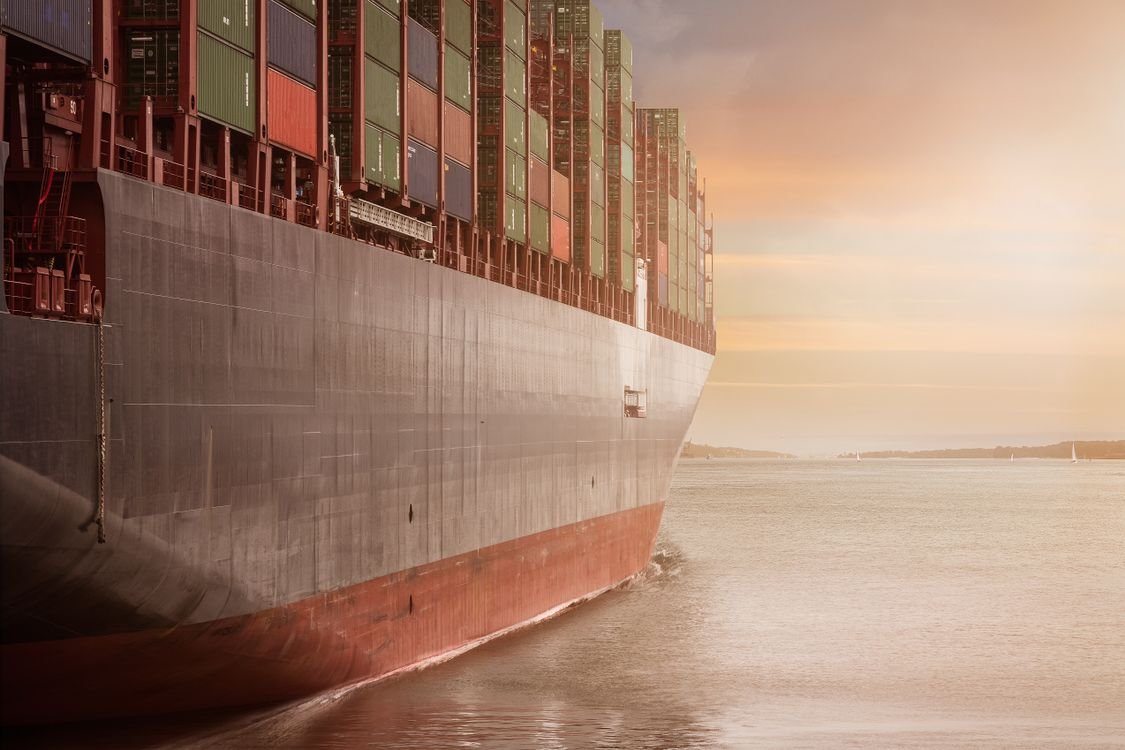
Freight forwarding services are the services a freight forwarder provides to move goods from one place to another. Most shipments cross borders. The forwarder books transport with ocean carriers, airlines and trucking companies. It prepares the shipping documents, arranges customs clearance, and coordinates delivery to the final destination. In short, a freight forwarder organises the whole journey of a shipment. The shipper does not have to deal with each carrier, port and customs office separately. This guide explains what freight forwarding services include and how the process works. It also shows how to choose the right forwarder for your cargo.
A freight forwarder is not usually the company that owns the ship or the aeroplane. Instead, it acts as an intermediary between the shipper and the carriers. Forwarders book space in volume, so they can often secure better rates and sailing or flight options. A single shipper could rarely arrange the same deal alone. They also know the documents, rules and deadlines that apply on each trade route. That knowledge matters most for first-time shippers.
What Are Freight Forwarding Services?
Freight forwarding services cover everything needed to get cargo from a supplier’s door to a buyer’s door. The exact list depends on the forwarder and the shipment, but the core services stay the same in most cases. They cover choosing the transport mode and booking space with the carrier. They also cover preparing export and import documents, clearing customs, arranging insurance, and delivering the goods at the other end.
The service can be port-to-port, which covers only the main international leg. Or it can be door-to-door, which covers collection from the supplier, the international leg, customs clearance and final delivery. Door-to-door costs more in total. But it is simpler, because one company takes responsibility for the whole chain. For a business shipping internationally for the first time, door-to-door is usually the safer choice.
It is worth understanding what a forwarder does not do. A forwarder does not set customs rules, does not control port congestion, and cannot guarantee a vessel’s schedule. What it can do is plan around those realities. It can warn you about delays early. It can also keep the paperwork in order, so a missing document does not hold up your cargo. If you want the full background, start with our guide to freight forwarding and what a freight forwarder does.
What Freight Forwarding Services Include
Most forwarders offer a menu of services and can combine them for each shipment. Here are the main ones.
Ocean freight forwarding services
Ocean freight is the standard choice for large, heavy or bulky shipments that are not urgent. A forwarder books container space on a vessel. It may book a full container load for one shipper, or a shared container that several shippers use together. Consolidation matters for smaller businesses. It lets them ship a few pallets at a time without paying for a whole container. The forwarder also handles the port paperwork, the bill of lading and the handover to the destination agent.
Air freight forwarding services
Air freight is the fastest option and the right one for urgent, high-value or perishable cargo. A forwarder books space with airlines, prepares the air waybill, and coordinates the airport handling at both ends. Air freight costs more per kilogram than ocean freight. So shippers normally use it where speed matters more than the freight bill. It also suits goods that are light and valuable, where transport cost is a small share of their value.
Road and rail freight
For inland legs and for cross-border trade within a region, forwarders arrange trucking and rail. Road freight covers collection from the supplier and delivery to the customer. Rail suits heavy loads over long distances on land. Many shipments are multimodal. A container might travel by truck to a port, by sea to another continent, and by truck to the buyer. The forwarder coordinates each handover so the cargo keeps moving.
Customs clearance and documentation
Customs clearance is one of the most valuable parts of the service. The forwarder, often through a licensed customs broker, prepares and submits the customs declaration. It also prepares the commercial invoice, the packing list and the certificate of origin where needed. It also advises on the correct trade terms, such as the Incoterms that decide who pays for what. Getting the documents right matters, because a single error can hold cargo at the border for days. Our guide to what Incoterms are explains the terms forwarders use most often.
Cargo insurance
Most forwarders can arrange cargo insurance for a shipment. International conventions limit carrier liability, and it rarely covers the full value of the goods. Insurance is optional on many shipments. Even so, it is worth considering for high-value cargo, fragile goods and long ocean voyages. The risk of damage or loss is higher on those shipments.
Warehousing, consolidation and distribution
Many forwarders also offer storage. You can hold goods near a port or a market and release them as orders arrive. Consolidation combines several small shipments into one container to cut costs. Deconsolidation splits a container back into individual orders at the destination. These services are useful for businesses that import in bulk and sell in smaller quantities.
Tracking and delivery
A good forwarder gives you visibility over the shipment. You get booking confirmation, vessel or flight details, departure and arrival updates, and proof of delivery. Tracking does not move the cargo faster. But it lets you plan around it. You can warn your customer about delays, and keep lead time promises you can actually meet.

How the Freight Forwarding Process Works
The process follows the same steps for most international shipments, whether the cargo travels by sea or by air.
First, the shipper asks for a quote, giving the cargo details, origin, destination and timing. The forwarder compares carriers and routes, then offers a price and a transit time. Once the shipper accepts, the forwarder books the space and confirms the schedule.
Second, the forwarder collects the goods from the supplier and takes them to the port or airport. People in the trade call this stage export haulage. At the same time, the forwarder prepares the export documents and the customs declaration for the country of origin.
Third, the cargo travels on the main leg: the ocean voyage or the flight. The forwarder monitors the departure and keeps the shipper updated.
Fourth, on arrival, the forwarder’s destination agent handles import customs clearance. The agent pays any duties and taxes on the shipper’s behalf where agreed. Then it releases the cargo from the port or airport.
Fifth, a truck delivers the cargo to the buyer’s door, completing the door-to-door chain. At each stage, the forwarder is the single point of contact. That is the main reason businesses use one instead of booking each leg themselves.
Freight Forwarder vs Customs Broker: What Is the Difference?
A freight forwarder arranges the transport of goods. A customs broker is a licensed specialist who clears goods through customs on behalf of importers and exporters. The two roles overlap, because many forwarders employ or partner with customs brokers, and some brokers also arrange transport.
The practical difference is scope. A forwarder manages the whole movement, including transport, documents and delivery. A customs broker focuses only on the customs part: classification, duty calculation and filing. If you hire a forwarder, it normally includes customs clearance or arranges it for you. If you book transport yourself, you may still need a broker for the customs step alone. For temperature-sensitive goods, check how the forwarder handles the cold chain as well. Our cold chain logistics guide explains what to look for.
How to Choose a Freight Forwarding Service
Choosing a forwarder is a business decision, not just a price comparison. A cheap quote that misses a document deadline can cost far more than a slightly higher rate. Paying a little more for a forwarder who gets it right is often cheaper in the end. Work through the following points before you commit.
Experience on your route matters most. A forwarder that moves cargo between your origin and destination every week will know the carriers and the port routines. It will also know the common problems on that lane. Ask how often they handle your type of cargo and your trade lane. Also ask for references from similar shippers.
Check the services included in the quote. A low headline price may exclude customs clearance, documentation fees, port charges or final delivery. Ask for a full breakdown in writing, and compare quotes on the same basis. Compare door-to-door against door-to-door, not door-to-door against port-to-port.
Look at communication and tracking. You should know who to call, how quickly they answer, and how they will keep you updated. A forwarder that answers slowly before you book will not answer faster once port delays hold up your cargo.
Check licences, networks and insurance options. A reputable forwarder belongs to a recognised freight network. It holds the licences needed for the modes it sells, and can arrange cargo insurance. For smaller shipments, also ask whether they consolidate cargo, and how they handle part-loads. The choice between full-truckload and less-than-truckload matters on the inland legs, as explained in our LTL vs FTL guide.
Finally, start with a small trial shipment. A single container or a few pallets will tell you more about a forwarder’s service than any sales call. If the trial goes well, build the relationship from there.

Watch: Freight Forwarding Explained on Video
The video below walks through what freight forwarders do and how the process works. It also covers the benefits of using one for international shipments.
Frequently Asked Questions About Freight Forwarding Services
What does a freight forwarder do?
A freight forwarder arranges the transport of goods on behalf of a shipper. It books space with carriers, prepares shipping documents, arranges customs clearance and insurance, and coordinates delivery. It does not usually own the ships or aircraft; it organises the services of the companies that do.
How much do freight forwarding services cost?
The cost depends on the transport mode and the weight and volume of the cargo. It also depends on the route and the time of year. Ocean freight is generally the cheapest per unit for large shipments. Air freight is the most expensive, and road and rail sit in between. Always get a written quote that lists every charge, including customs, documentation and delivery fees. Then you can compare like with like.
Do freight forwarders handle customs clearance?
Yes, in most cases. Forwarders normally arrange customs clearance themselves or through a licensed customs broker. They prepare the declaration and supporting documents. They can also pay duties and taxes on your behalf, if you agreed that in advance.
What documents are needed for freight forwarding?
The usual documents are the commercial invoice and the packing list. For ocean freight you need the bill of lading, and for air freight the air waybill. You may also need a certificate of origin where the destination country requires one. Depending on the goods, you may also need permits, licences or inspection certificates. Your forwarder should tell you exactly what your shipment needs.
What is the difference between a freight forwarder and a carrier?
A carrier is the company that physically moves the goods: a shipping line, an airline or a trucking company. A freight forwarder is the intermediary that books space with carriers, prepares the documents and coordinates the whole shipment. One shipment can involve several carriers and one forwarder managing them all.
When should a business use a freight forwarder?
Use a forwarder when you ship internationally, or when the shipment involves more than one transport mode. You should also use one when a shipment involves customs paperwork. The same applies when you do not have the time or expertise to coordinate carriers yourself. For a simple domestic delivery, a courier or a trucking company is usually enough.
Putting It All Together
Freight forwarding services exist to take the complexity out of international shipping. A good forwarder books the transport, prepares the documents, clears customs and delivers the goods. It keeps you informed at every step. Choose one with experience on your route, a clear written quote, and responsive communication. Then test the relationship with a small shipment first. Done well, the forwarder becomes a quiet part of your supply chain management routine. It stays invisible when things go right, and it is the first call you make when they do not. For the wider picture of how goods move around the world, see our logistics guide.
